

3-06: Half-Life of Your Gut
When Signal Starts to Fade
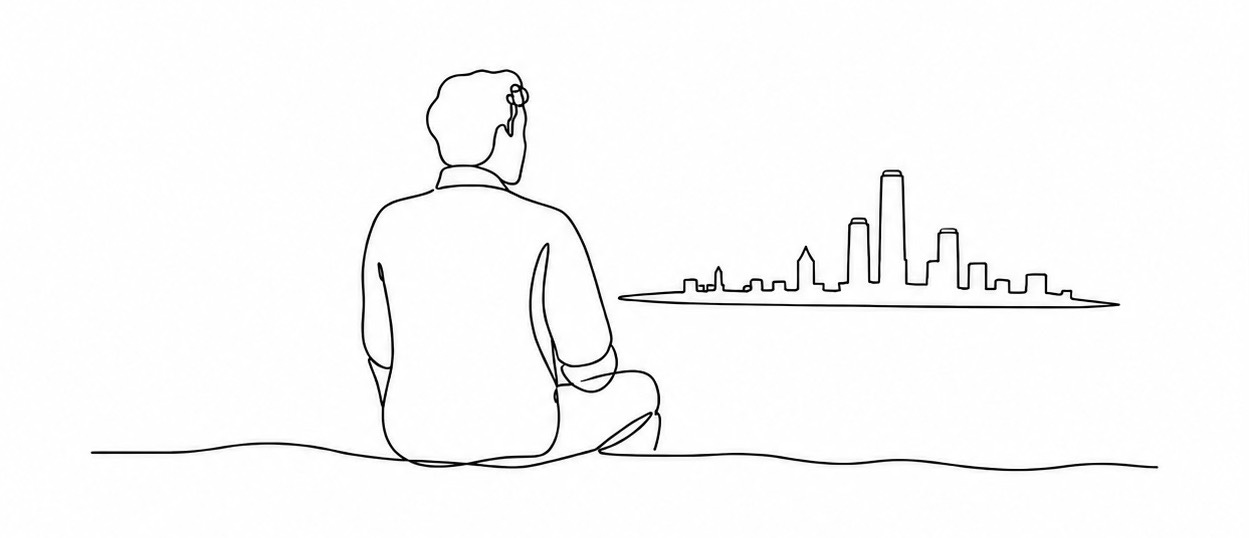
I remember when I got the call from my current boss that I got the job in Miami. I was at my office in D.C. and had to step into a conference room to take it. I remember after hearing the news that I had been looking to hear for a month and feeling my head spin. It was mostly good feelings, of excitement and wonder at what could come of taking this job, but also all of the work that would go into wrapping up my life as it stood. That first five minutes after the call, I can never go back and re-live. I had made up my mind that I would take the job by the time I went to sleep that night. The following days and weeks only reaffirmed my gut thinking.
Think back to the last big decision that comes to mind. Deciding to put yourself in for the promotion, or to take a new job. It could have been deciding to ask that someone out, or deciding to get married. Whatever the occasion, what was your immediate reaction when you were told the news or asked the question? Chances are your body reacted before your mind did. That first sudden onset of feelings including excitement, calm, relief, or resistance can greatly inform your decision, and deciding just how much to trust your gut is a fine art honed through a life well lived.
That gut feeling is most pronounced within the first few minutes of considering a big decision. It might fade gradually over five minutes, an hour, or a day, but you know how you felt. As time fades and we’ve yet to make a decision, our mind enters and starts to consider alternative scenarios that don’t yet exist. If enough time passes, our mind can very well begin to outweigh and even completely silence our gut. Sometimes, more time solidifies what your gut told you to begin with. This is the best case. Other times, we might talk ourselves gradually out of the decision that we made initially and quickly.
Daniel Kahneman, in his book “Thinking, Fast and Slow,” writes that, when confronted with a major decision, we should pause our “System 1” reactionary thinking and allow time for our slower, more deliberate “System 2” to begin to analyze the situation. Specifically, he states, “Intuition cannot be trusted in the absence of stable regularities in the environment.” This means you should trust your gut when you find yourself in defined games like playing chess or during a poker match.
When there are no prior experiences given the infinite variables in life, slowing down just gives you time to overthink problems. Only you have the most information about your life. You have the knowledge of all of the prior decisions that you have ever made. Another person’s advice only goes so far because they inherently have much less information than you do. Your gut knows things that your mind does not, things that are difficult or nearly impossible to put into words. Now, deciding what you know is the best answer to a difficult decision is one thing. Having the courage and faith to break the tie in determining whether or not to act on your gut feelings is another.