

I met a new neighbor the other day who moved here a few months ago from London. We have no friends in common and no other apparent connections. Like most strangers, we both could be whoever we want to the other. I found myself returning to a familiar thought I had a few years ago. When you move somewhere new, you free yourself of your past anchors and predispositions. You can choose to leave old ways behind, or make a point to be more intentional.
When I first had this thought, I felt that the freedom to choose who you are to new people, sometimes in new places, was relieving and empowering. I often thought that to each new person, if I was just a little bit more friendly, patient, and understanding, I would become those things naturally. I also found it freeing to be able to explain my background and experiences from different perspectives. This is likely because I was still growing into the various parts of my personality that I am now most confident about and proud of.
As I said in my very first essay, whichever persona you choose to be to someone new depends, in part, on how true to that persona you expect to remain in each future interaction. If you are certain you will only ever meet someone once, there is an argument to make that presenting yourself differently than you normally would will not cause any harm. While I don’t subscribe to this, it’s a worthy thought experiment. A colleague sometimes goes by a different name each time we order coffee and I’m nearly certain the baristas have yet to catch on.
More recently, I have come to find myself thinking about who I want to be to new people a lot less. In the past few years, I’ve become more confident in who I am and, consequently, it’s become that much easier to introduce myself. I have no desire to be, or even temporarily pretend to be, someone who I’m not. While I highly value my friends and do intend to make new friends, I am also more at peace with the idea that the right people tend to value honesty and consistency. If you change yourself to appease another, you might miss out on someone else who would have appreciated you as you were before.
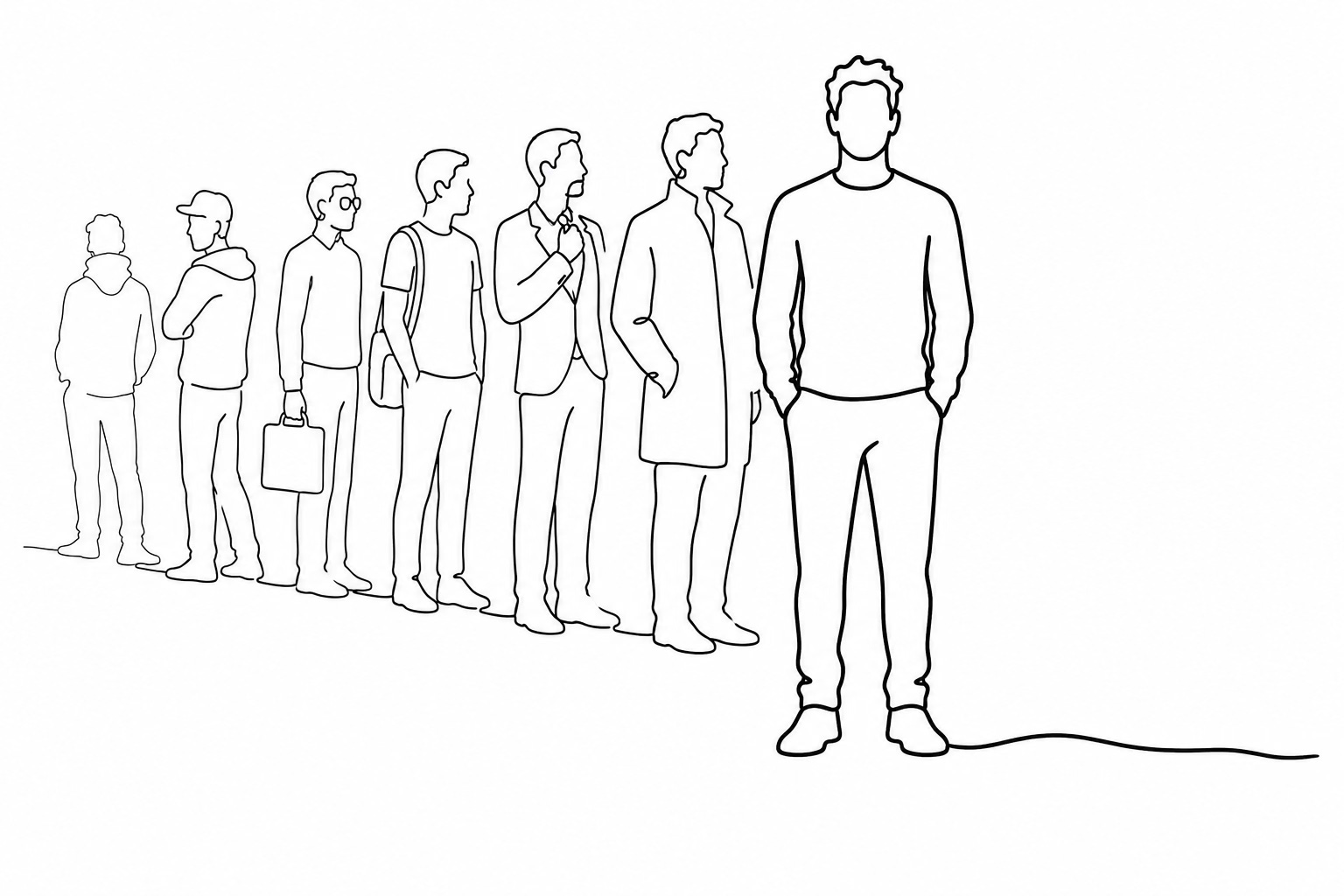
This freedom to decide who you want the main character to be is an important perspective, and it serves us well while we are still developing the person who will eventually earn that role. Before you know it, the once-long line of possible versions of yourself begins to vanish, leaving just you, content that the former freedom to choose has slowly transformed into confidence in who remains.