

2-47: Shopping Spree
Status, Signaling, and Borrowed Desire
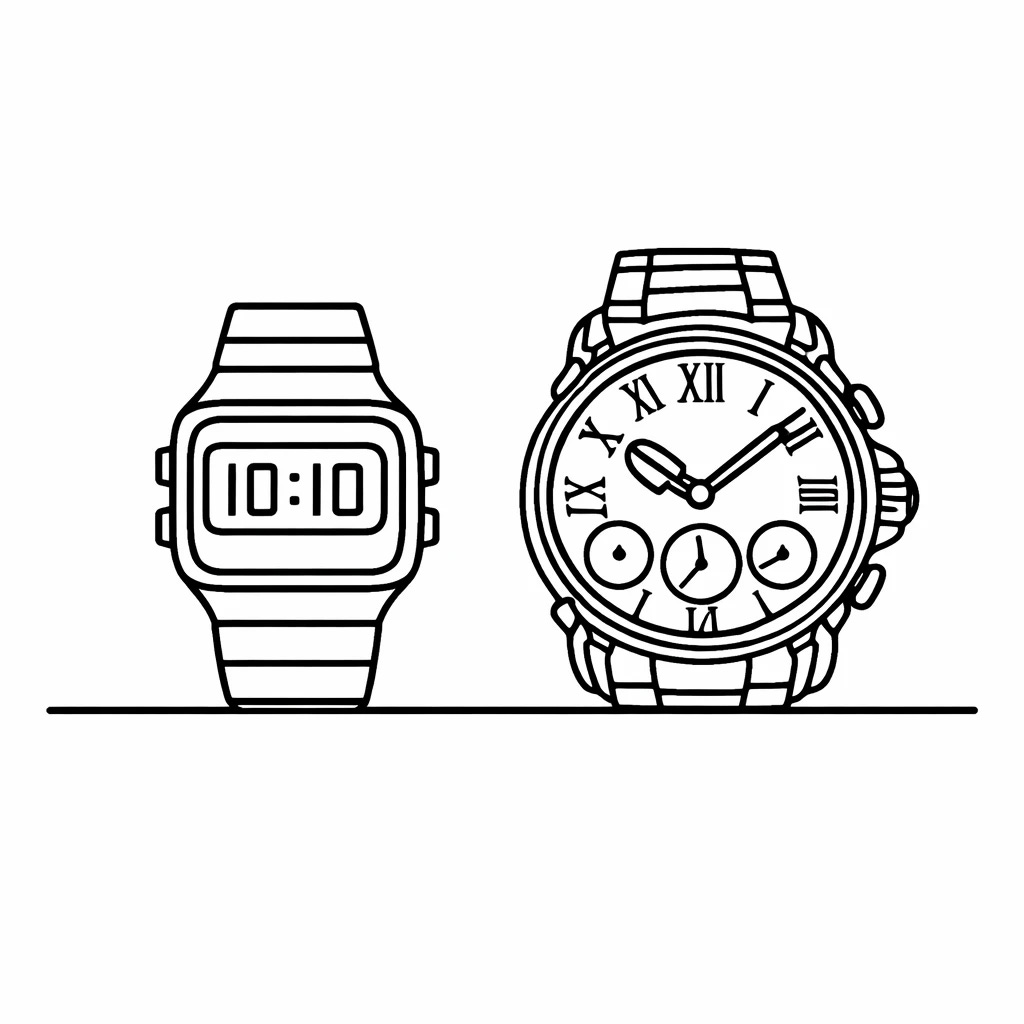
Think of the last thing that you purchased. Do you know with certainty why you bought it? To what extent was your purchase influenced by the purpose it serves, how long it will last, or what it signals to others? What compels us to buy a nice watch or a fancy car? Is it fascination with horology, watchmaking, and the technical skill required to assemble such a device, or what it tells others about our level of disposable income? We make excuses for buying these things by telling ourselves it will appreciate over time, it diversifies a portfolio, or that it is built to last forever. Those explanations are often incomplete, and a facade for what lies beneath.
When we first get an itch of an urge that we want something, we should evaluate where that desire came from. Which of our friends, family members, or colleagues also want this? Do others that we regard highly and those who we share values with also want the same thing? In “Wanting,” Luke Burgis writes, “Each one of us has a responsibility to shape the desires of others, just as they shape ours. Each encounter we have with another person enables them, and us, to want more, to want less, or to want differently.”
Part of what we buy and own contributes to our persona and shapes how others see us. Even if we do not want to be defined by what we own, we cannot fully escape the tendency of others to judge us by it. Clothing is often the first example, since it is usually the first thing others see. Next may come accessories, whether temporary, like jewelry, or permanent, like tattoos. What we own and wear becomes part of us.
What we buy often carries meaning beyond its practical use, or what it tells others. A Casio, a Camry, and a cotton tee are all uniquely practical. A Rolex, a Lamborghini, and a Loro Piana sweater serve the same purposes as the former, yet they communicate something entirely different. Economists call some of these status purchases Veblen goods. These are things that ironically become more desirable partly because they are so expensive. Their impracticality and strength of their ability to signal becomes part of their appeal.
A powerful question to ask yourself when considering buying something is if you would still want it even if no one else knew you owned it. That question and your response will bring you closer to the truth of understanding what you desire more fully. Some purchases reflect real admiration for craft, beauty, or durability. Others are driven more by borrowed desire, status, and imitation. Most are probably some mixture of both. The point is not to remove all symbolism from what we own, but rather to understand ourselves well enough to know what we are really buying.