

2-41: Have a Wonderful Life
Levity Near the Finish Line
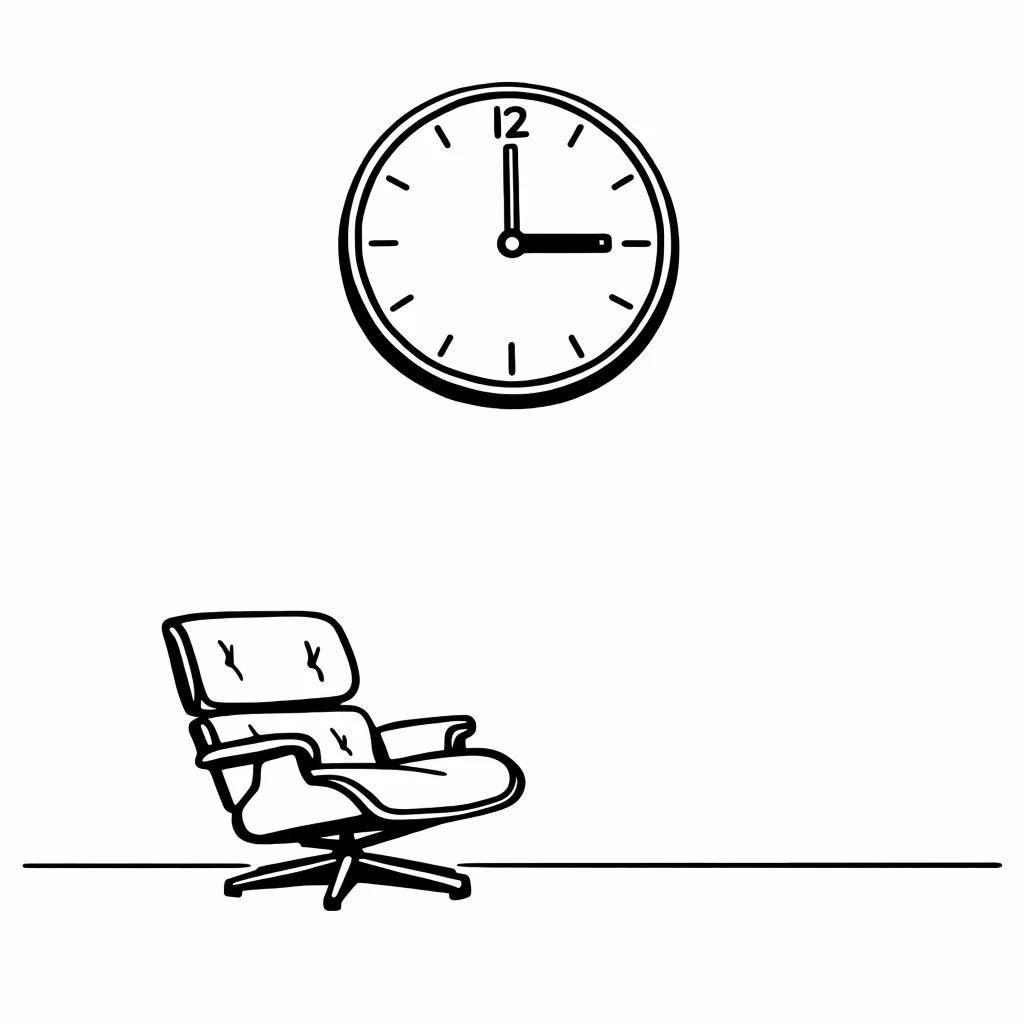
On a recent trip to visit my 95-year-old grandmother, she said some things that made me laugh and think. My Mom, my aunt and I are sitting with her in her room and she asks what time it is, to which my aunt responds, “it’s three o’clock.” Grandma looks confused and says “...in the morning?” Of course, we kindly let her know it was, in fact, the afternoon. She was not trying to be funny, but it certainly was.
The other particularly memorable comment came at the end of my visit. She is sitting confidently in her wheelchair as I lean in to say goodbye. As we hug, she looks at me, smiles, and says as genuinely and kindly as possible, “Have a wonderful life.” I didn’t quite know how to respond, so I said, “You too, grandma.” She starts laughing and says, “Well, mine is almost over.” Truly not having words this time, we both laughed.
I will forever remember both of those moments for their profoundness and humor. Humor seems to serve different purposes at different points in life. Early on, it often serves as a shield, deflecting discomfort. Towards the end, it lightens intense moments, relaxing tensions. The lightness of the three-o’clock-in-the-morning zinger and the heavy weight of “mine’s almost over.” The former, because her sense of time in the short term is untethered. The latter, because her sense of her age has never been more deeply felt.
Being told to have a wonderful life by someone who knows theirs is almost over makes the phrase take on new meaning. The phrase is more often said in passing, sometimes accompanied by a sarcastic eye-roll. It was a sort of pass-the-baton moment, as if she wanted me to finish the race she’s running. Like, “I had a great life, now you go live yours.” She has conceded to time and is not fighting. She is at peace with how she spent her time and has instructed me to live a wonderful rest of my life.