

2-37: Optimism vs. Action
The Cost of Postponing Effort
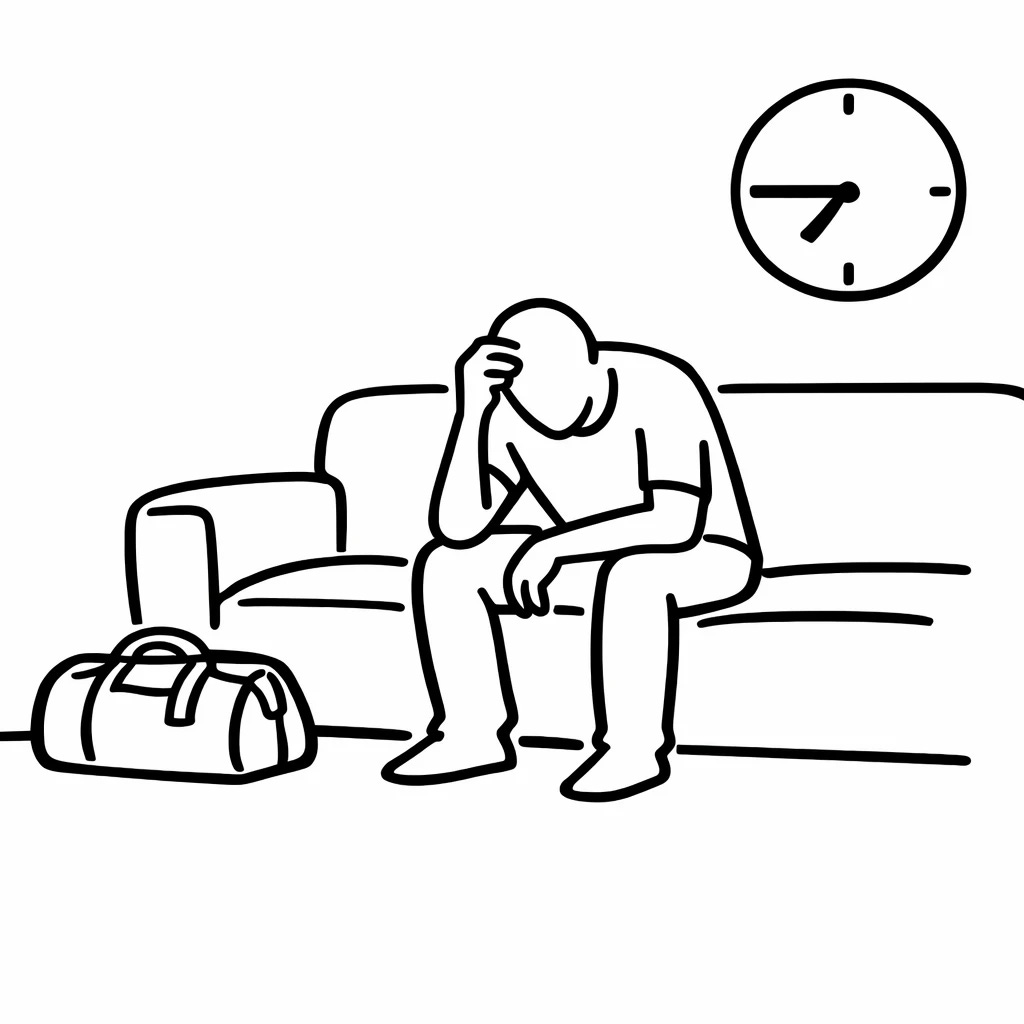
Often, I would get home from work feeling spent and decide that instead of working out immediately, I would wake up early the next morning and do it then. In those moments, I was genuinely optimistic and confident that the morning workout would happen. That optimism made it easy to justify skipping the workout that evening. I would even go as far as to set out my workout clothes and shoes. The morning would arrive and many times the workout wouldn’t happen. My optimism had simply gotten the better of me.
Until the past year, I changed my mindset. Now, the opposite happens. I get home from work and without thinking I get my workout in. I’ve realized how relieved and good I feel after working out, even after work, that it is 9 out of 10 times best to take action when the decision is upon you, rather than to give optimism for the future more credit than it deserves. The action occurs, and then I can move on with my life, not having to think twice about going in the morning.
Optimism, in this scenario, functions less as hope and more as avoidance. I was so hopeful that my future self will always make the correct decision that I was willing to entirely defer this decision to tomorrow. The future self is conveniently insulated from the fatigue of the present and has not yet depleted any willpower. I discount that this future self has his own constraints, his own tendencies, and excuses. Postponing an action that never arrives degrades our trust in ourselves. We can change this by taking action as soon as the decision is upon us.
The virtuous cycle that I like to imagine involves early morning workouts leading to earlier bedtimes and lower resting heart rates, which then make it easier to wake up early the next day and repeat the cycle. These virtuous cycles do not start on their own. They are very deliberately planned, yet the friction of kick-starting the wheel is challenging. This difficulty is equally felt later in the day, when deciding to workout or not. Taking action while tired reinforces your commitment to yourself. It teaches us that the action is not contingent upon having a perfect night’s rest or optimal energy.
This reveals that decision making and discipline are probabilistic. My evening self seems to overestimate my future self’s likelihood of making the same decision. Choosing the option that is most likely to be completed in the present moment fosters integrity. Evening workouts tend to prevail simply because that is when they are most likely to happen. They occur the same day and hour, without having a reset in between. Over time, choosing action over optimism builds trust in our own decisions.